



Guidance: 4 Ways To Keep Construction Workers Warm, Safe & Protected in Cold and Wet Conditions
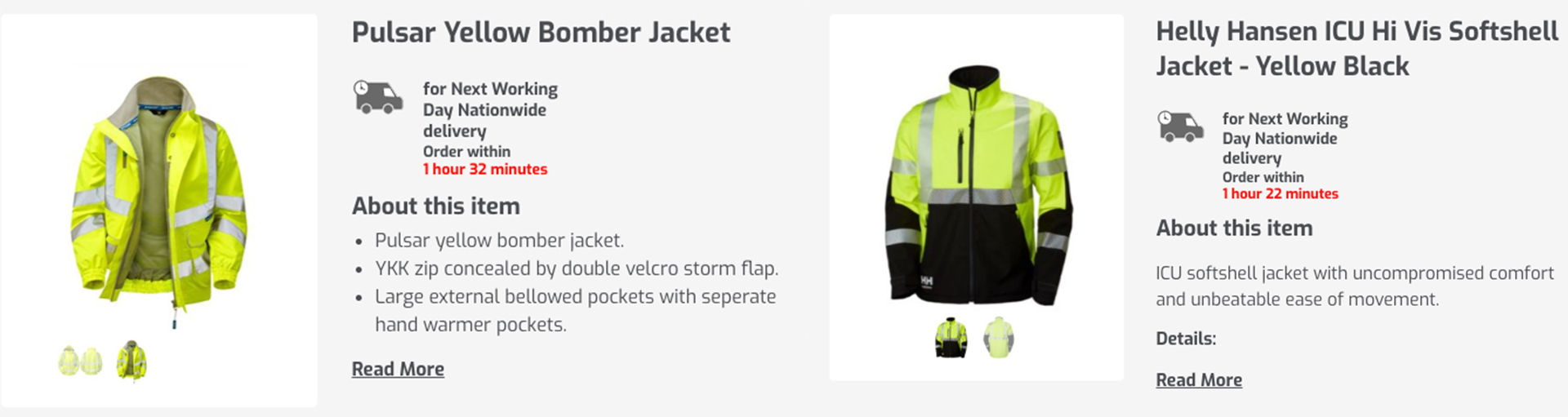
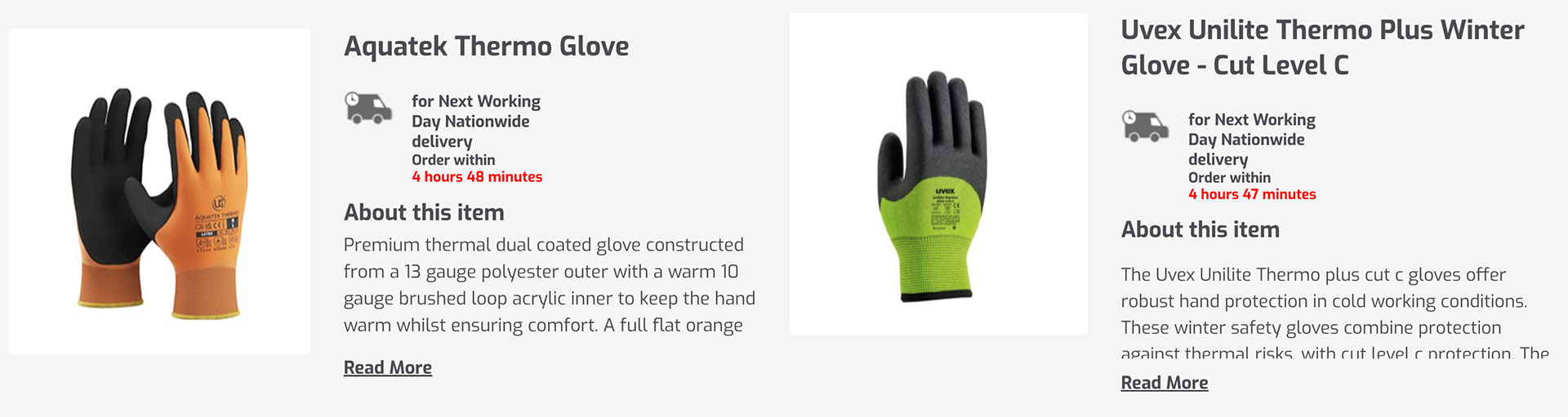
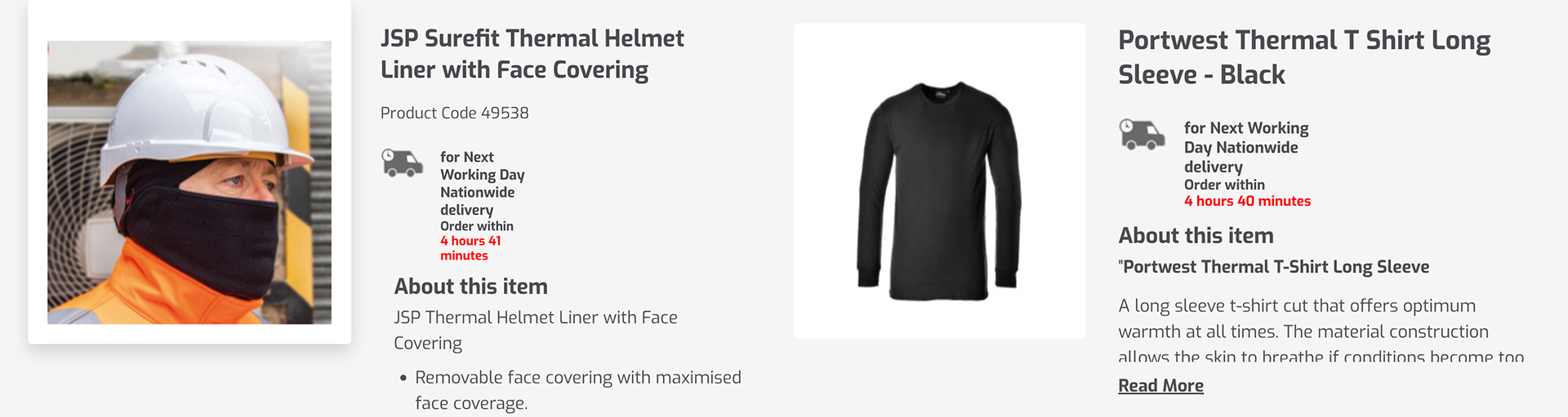
1. PPE & Workwear: Keep Teams Warm, Dry and Visible
Whether it’s freezing temperatures, wind chill or driving rain, the right PPE ensures safety and comfort throughout each shift.
Operative Readiness Checklist
 Ensure waterproof jackets, trousers and hi‑vis gear are issued. Confirm thermal base layers are available in multiple sizes. Provide waterproof or thermal gloves appropriate to specific tasks. Ensure helmet-compatible winter liners are available. Issue insulated, waterproof safety boots with slip-resistant soles. Replace damaged or worn footwear immediately. Check all PPE meets EN safety standards and is in good condition. Ensure all outer layers remain compliant (not covered or obscured).
Bryson Product Recommendations

2. Site Set‑Up & Safety: Prepare the Ground for Safer Working
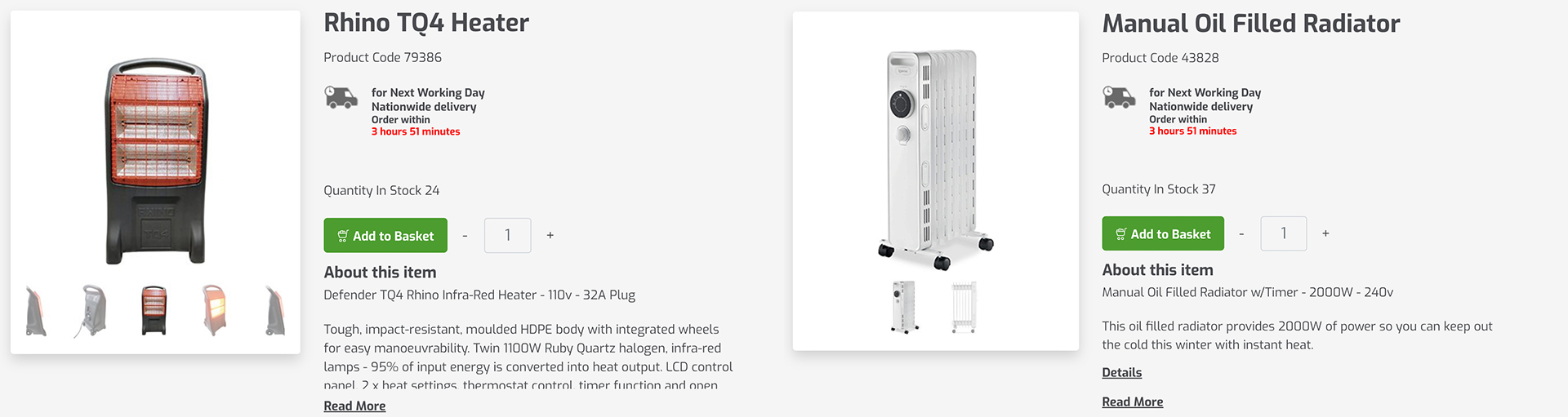
Cold and wet weather increases risks associated with slips, trips, visibility and emergency access. A robust site set‑up helps minimise disruptions and creates predictable safety conditions.
Access, Lighting & Welfare Checklist
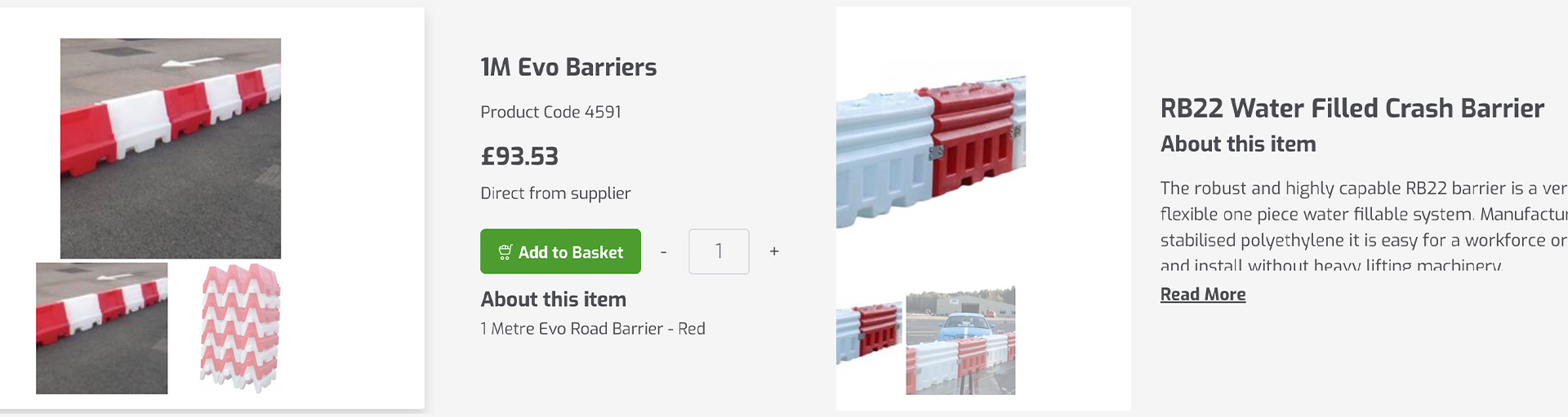
Inspect all walkways and access routes for slips, water pooling and mud. Lay anti‑slip mats or temporary walkways in high‑traffic areas. Use traffic barriers and fencing to help safety steer high-traffic areas. Grit paths, stairs, scaffold access points and delivery bays during frost risk. Ensure adequate lighting is installed around site, avoiding loose cables. Test festoon lighting, task lights and tower lights for faults. Ensure lighting is well positioned to avoid shadows on work zones. Check heaters in welfare cabins are working efficiently. Stock hot water, canteen consumables, cleaning supplies and hand‑drying facilities. Ensure all first aid kits and equipment is up-to-date and compliant.
Bryson Product Recommendations

3. Safety Signage: Reinforce for Changing Weather Risks
Weather conditions change quickly, and safety messaging must adapt just as fast.
Winter Signage Checklist
Display “Slippery Surface” signs at wet areas and entrances. Install “Ice Risk” signage when temperatures drop. Introduce “Wear Thermal PPE”, “Waterproof Footwear Required” and Hi-Vis Clothing reminders. Ensure detour, route diversion or restricted access signs are clearly visible. Check emergency assembly point signage is unobstructed and visible in low light. Ensure the correct outdoor signage is in use Replace any faded, damaged or missing signs.
4. Temporary Protection: Protect Surfaces, Materials & Productivity
Internal & External Checklist
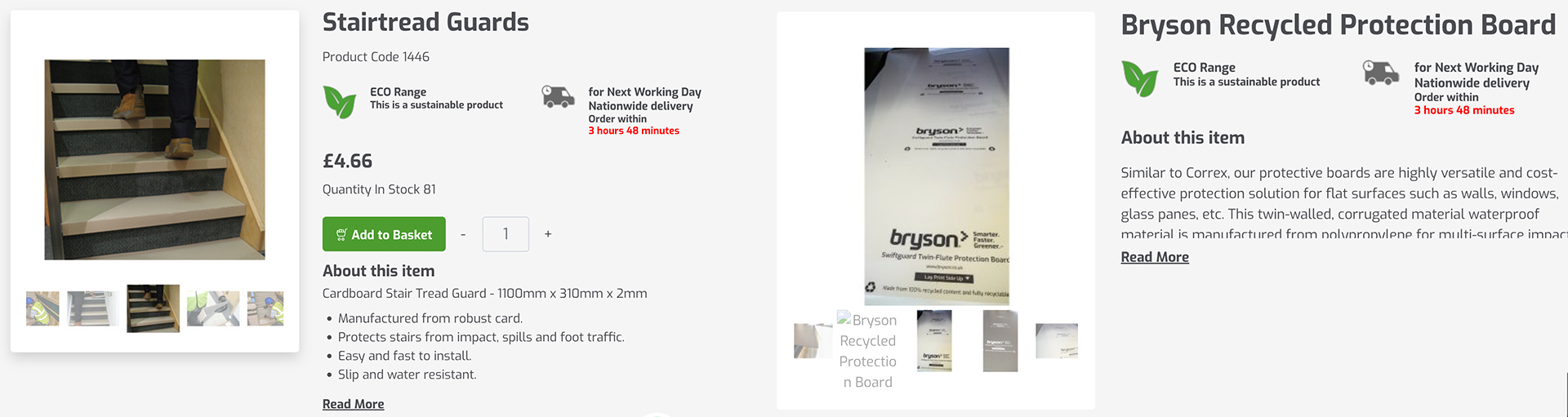
Install floor protection with anti-slip properties in wet access areas. Apply surface protection films to vulnerable finishes. Verify newly installed floors, fixtures and finishes are protected before shift end. Ensure dust and weather sheeting is intact around internal zones. Check scaffold sheeting for tears or loose fixings. Protect openings with temporary doors or screens to maintain temperature control. Ensure timber, plasterboard and other sensitive materials are covered.
Bryson Product Recommendations

High-Quality Safety, Work Wear and Protection From Bryson
Cold, wet and unpredictable weather doesn’t have to slow you down. With the right planning and the right products, you can maintain momentum, protect your workforce and reduce weather-related setbacks.
At Bryson, we’re here to support contractors with smarter, faster, greener solutions, from Site Set‑Up & Safety to PPE, Temporary Protection and Safety Signage.
Call us on 020 8660 9119 or send an email to sales@bryson.co.uk for more information on our products.

 Loading, please wait