


How to Prevent Occupational risks in the UK Construction Industry
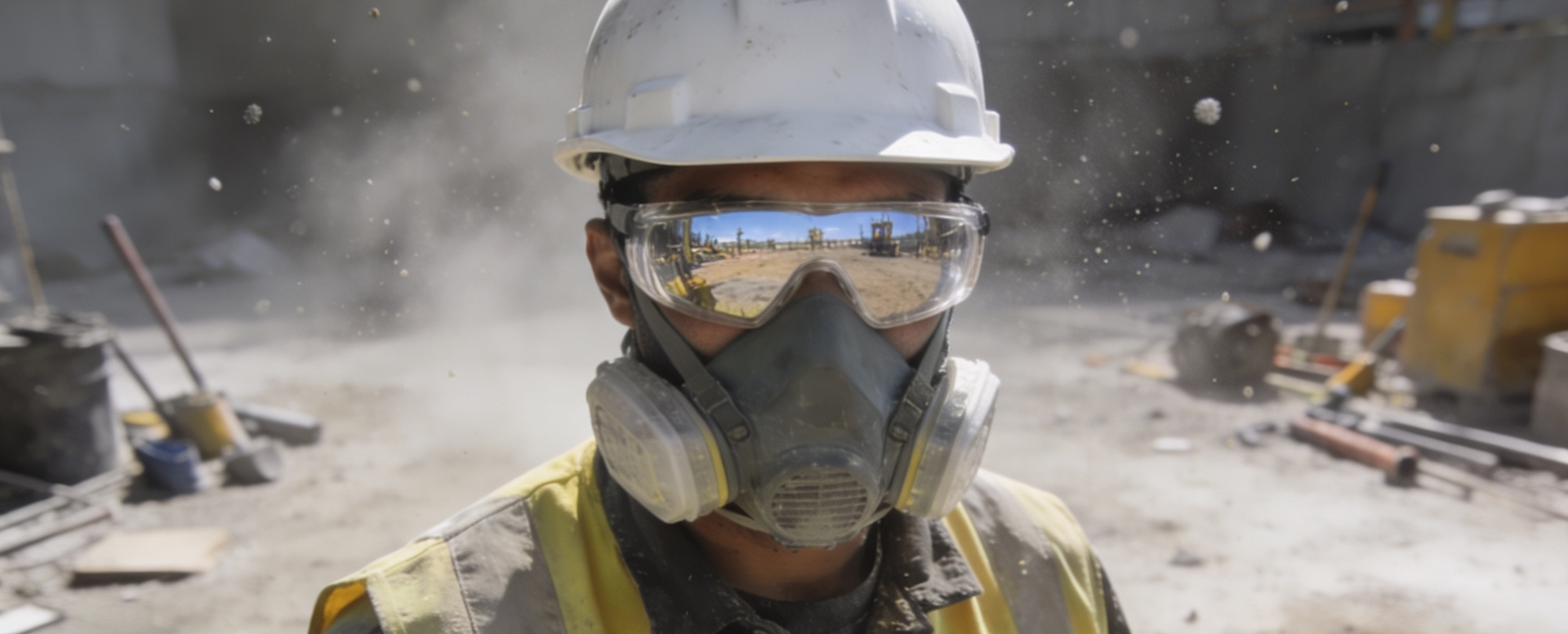
UK construction has made significant strides in the protection of workers over the past two decades. While the industry has every right to feel proud of that progress, one area remains where numbers remain stubbornly high: occupational cancer.
Occupational cancer kills far more construction workers each year than accidents do. According to the HSE, construction accounts for over 40% of all occupational cancer deaths and registrations in GB - and for every fatal accident on a construction site, an estimated 100 workers die from work-related cancer.
The good news is that the vast majority of these cancers are entirely preventable. That puts you - whether you’re managing a site, leading on health & safety or specifying solutions - in a position to drive positive change. With the combination of the right knowledge, the right products and the right culture, these are statistics that can be transformed for good.
Occupational Cancer: Understanding Risk on Your Site
Cancer risk in construction builds up over years of exposure to hazardous substances and conditions. The main culprits are well documented, yet often neglected in health and safety protocols:
-
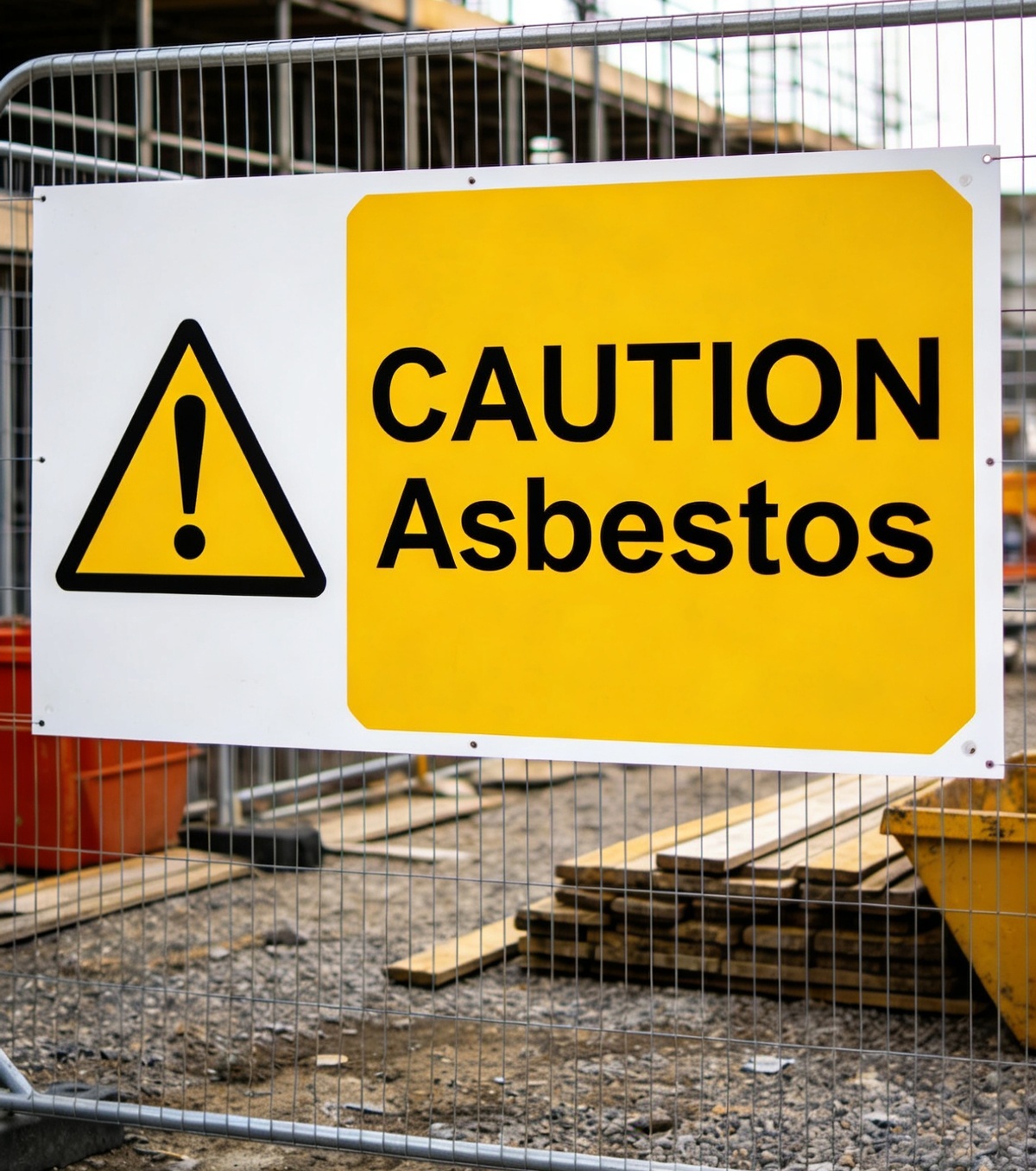
Asbestos: The leading cause of cancer in UK construction, directly responsible for around 70% of construction-related occupational cancer deaths. Any work on pre-2000 buildings carries exposure risk that must be assessed.
-
Respirable crystalline silica (RCS): This material is generated when cutting, drilling or grinding materials such as concrete, brick or sandstone, and is the second biggest airborne risk after asbestos.
-
Diesel engine exhaust emissions: Classified as a Group 1 carcinogen, yet often underestimated on poorly ventilated sites.
-
Wood dust: Particularly hardwood dust, a known cause of nasal cancer.
-
Solar UV radiation: The risk that gets dismissed as weather improves in summer.
-
Dermal chemical exposure: Repeated skin contact with certain sealants, adhesives and cutting fluids can carry long-term risks.
Knowing these risks is the first step. Acting on them consistently is where you can make a real difference in the industrywide fight against cancer.
Taking Action on Carcinogenic Dust
Silica dust remains poorly controlled on too many sites, despite being one of the industry’s most manageable risks. As estimated by the HSE, approximately 500 construction workers die annually from diseases linked to silica dust exposure.
Part of the challenge here is that respirable crystalline silica is invisible under normal lighting conditions. Your workers don’t see it or feel it, and rarely connect their cutting task with health consequences that mightn’t emerge for another 15 years. Making that delayed harm tangible in your daily briefings is one of the most impactful decisions you can make.
Your Practical Approach to Dust Control
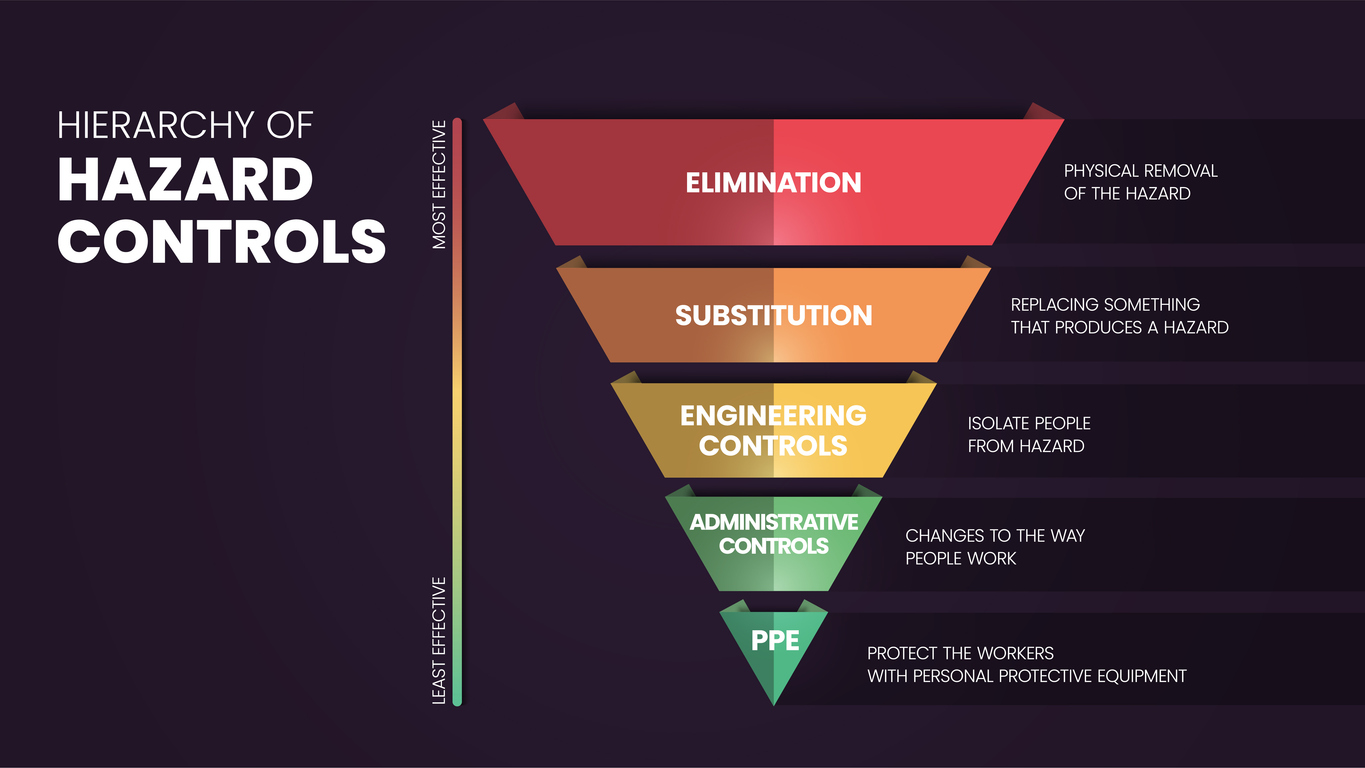
Working through the hierarchy of control as shown in the diagram above makes a measurable difference. Here’s a simple breakdown:
-
Eliminate or substitute: Explore whether the task can be redesigned to generate less dust at source
-
Engineering controls: On-tool extraction and wet-cutting methods should be adopted as default practice on your site.
-
Administrative controls: Rotate your workers to limit their individual exposure time.
-
PPE: PPE should be viewed as the final line of defence, and should be used as part of a combination of other actions. Select the right mask for the specific hazard, fit-test every wearer and maintain protective equipment properly.
Bryson's respiratory PPE range covers half masks, disposable face masks and full face masks with filters suited to construction dust environments. Meanwhile, our vacuum and dust extraction equipment covers the engineering control side of the equation too.
Sun Exposure: The Risk That Flies Under the Radar
When did you last review your UV risk management? Research commissioned by IOSH found that construction workers account for 55% of work-related non-melanoma skin cancer cases and 44% of all deaths caused by UV exposure at work in Britain: a higher proportion than any other industry.
While a major overhaul of your worksite likely isn’t necessary, it’s essential that consistency forms part of your overall UV protection plan:
-
Include UV risk in your inductions for projects running through spring & summer.
-
Make SPF50+ sunscreen available on site as standard welfare provision.
-
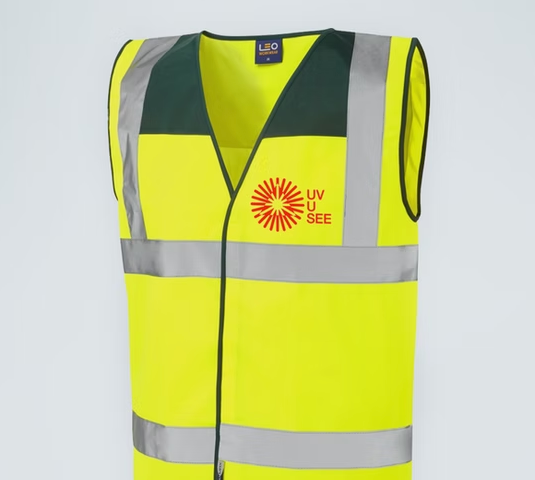
Encourage lightweight, long-sleeved hi-vis options during high UV periods.
-
Where possible, schedule the most exposed tasks outside peak UV hours between 11am-3pm.
Our hi-vis range includes lightweight, breathable summer options designed to offer coverage without overheating your workforce, representing a small specification decision with major long-term impact.
Your Procurement Decisions Are Health Decisions
If you work in procurement, you have more influence here than you might realise. The products you select and the standards you require when specifying PPE, workwear and consumables directly determine whether the controls in your assessment are achievable in practice.
When specifying, check that your PPE meets the most recent standards for the specific hazard, and that your safety assessments are cross-referenced with the products actually being ordered.
Bryson's team works regularly with procurement professionals to make sure specifications match the hazards on specific projects. It’s a conversation worth having before your order goes in. Just get in touch with Bryson and we’d be happy to help.
The Culture You Build Makes the Difference
The best respiratory mask in your store does nothing if it stays there. The sunscreen on your welfare unit does nothing if nobody uses it. When protection is briefed daily, modelled by your supervisors and treated as standard practice, it becomes habitual across your whole team.
Cancer prevention in construction is achievable. The risks are well understood, the controls are available and the industry has already proved it can shift culture when it decides to. You have everything you need to make that shift on your site.
Join Us in Building a Safer Future for UK Construction
We’re on a mission to make the UK construction industry Smarter, Faster and Greener. Book an Appointment now to speak to a professional about the steps you can take to reduce exposure on your site.

 Loading, please wait