



Thirty years ago, June became National Safety Month. Three decades on, the ambition behind it - reducing preventable injuries and deaths in the workplace - is as urgent as ever.
For UK construction in particular, recent HSE statistics are a clear reminder that the work is far from done: 35 fatal injuries and around 50,000 non-fatal injuries within one year, and a fatality rate almost five times the all-industry average. This June, Bryson is breaking down the four weekly themes and exactly what they should mean for your site. The themes for 2026 are:
-
Week 1: Moving Safety Forward
-
Week 2: Staying Safe on the Roads
-
Week 3: Promoting Holistic Worker Health
-
Week 4: Preventing Slips, Trips and Falls
Every weekly theme reflects a live challenge on construction sites across the UK right now. Here’s how site leaders and procurement professionals can use every week of National Safety Month well.
National Safety Month: Your Cue to Act
The construction industry has made significant progress on safety over recent decades, with fatal injury rates falling substantially from previous decades. However, that downward trend has begun to flatten, which tells us the easy gains have already been made.
Where the industry goes next requires deeper cultural change, sharper processes and more deliberate decision-making at every level of a project. National Safety Month gives you the framework to do exactly that: four weeks, four themes and a clear cue to take action.

Week 1: Moving Safety Forward
What Does a Strong Safety Culture Actually Look Like?
A strong safety culture happens when every person on your site - from site manager to newest operative - feels responsible for safety and empowered to act on it. A transparent, accountable environment where speaking up about a hazard is expected, and where near misses are reported and learned from.
That kind of culture is built deliberately. It demands consistent leadership, regular communication and genuine accountability at every level of the project.
Where to Start: Auditing Your Site This June
Week 1 is the right moment to audit what you have and close the gaps before the rest of the year unfolds. Ask yourself the following:
-
Are your risk assessments and method statements current and actually being followed on site?
-
Is your PPE being worn correctly and consistently by everyone?
-
When did you last run a safety briefing that went beyond a tick-box exercise?
-
Are your welfare facilities, first aid provision, and fire equipment all where they need to be?
Getting these basics right is critical. On a busy construction site, it’s where lives are protected and risks are mitigated.
Week 2: Staying Safe on the Roads
Managing the Risk Where Vehicles & People Meet
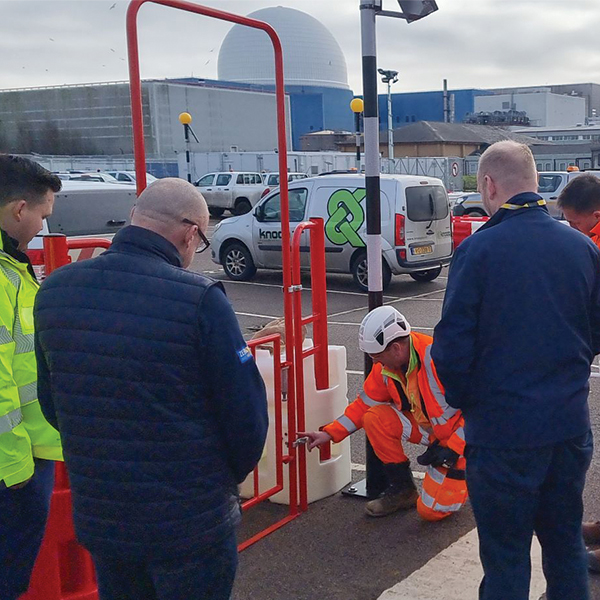
Vehicle and pedestrian conflict is one of the most serious and persistent risks on construction sites. Where plant, HGVs and workers share space without clear and enforced separation, the consequences can be fatal. Site traffic management demands clearly defined pedestrian routes, physical segregation wherever possible, and reliable access control solutions that keep people and vehicles apart.
There are a number of solutions available to manage the risk where vehicles & people meet, but one innovation from Bryson stands apart from the rest: the BryFour Gate. This groundbreaking safety system connects securely to RB22 water-filled barriers, eliminating the risks that come with unstable, freestanding gates. It removes trip hazards, prevents gate collapse and controls pedestrian flow in high-traffic environments. It’s the kind of practical, site-specific solution built for exactly the kind of risk that Week 2 puts in focus.
Week 3: Promoting Holistic Worker Health
Why Mental Health Is a Site Safety Issue
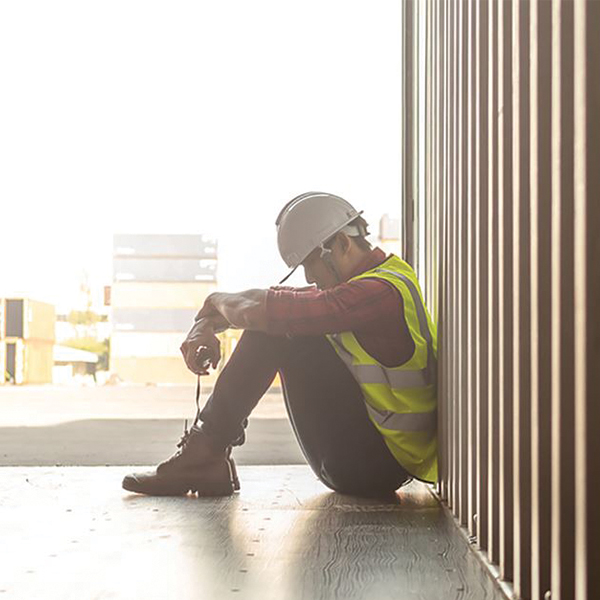
Worker wellbeing is central to the question site safety. A fatigued, stressed, or mentally unwell worker is one whose concentration and situational awareness are compromised - and on a construction site, that has direct and serious safety consequences.
According to HSE figures, work-related stress, depression and anxiety affected 964,000 UK workers, making it the single largest cause of work-related ill health in the country. Like any sector of industry, construction isn’t immune. Deadline pressure, long hours, job insecurity and the physical demands of the work all take their toll on the people doing it.
What Site Managers Can to Protect Mental Health
There are a number of steps site leaders can take to protect the wellbeing of their workers:
-
Make mental health a normal part of site briefings, not a one-off awareness campaign
-
Train supervisors to recognise the signs that a colleague is struggling
-
Ensure workers know what support is available to them, whether through an Employee Assistance Programme or external services
-
Review shift patterns and workloads where fatigue is a realistic risk
-
Lead from the front. When managers talk openly about wellbeing, it gives everyone else permission to do the same
Week 4: Preventing Slips, Trips and Falls
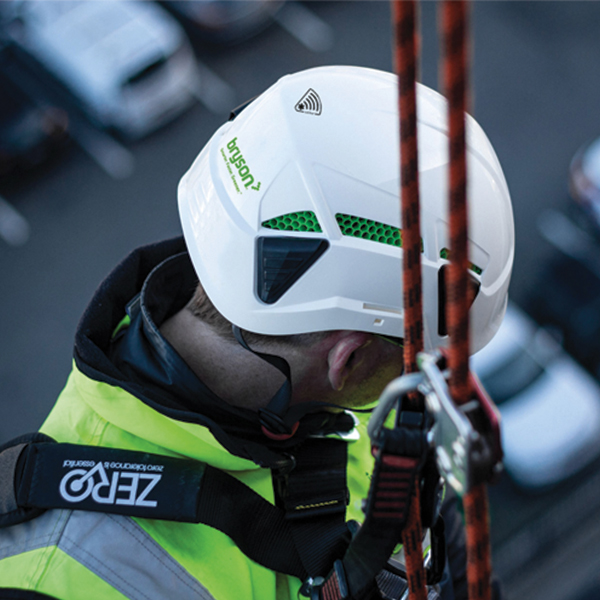
Slips, trips and falls on the same level account for 30% of all non-fatal workplace injuries in Great Britain, making them the single most common cause of injury across every industry. On construction sites, where surfaces are constantly changing, materials are in transit and multiple trades are working in close proximity, the risk is heightened further.
When falls from height are included, the leading cause of workplace fatalities responsible for 35 deaths in 2024/25, the full picture becomes even sharper.
Falls in all their forms remain the industry's most urgent and persistent safety challenge. Knowing where the risk comes from is the first step to addressing it. The most frequent contributing factors on construction sites are:
-
Unprotected, wet or contaminated floor surfaces
-
Cluttered walkways and poor housekeeping
-
Inadequate or missing hazard signage
-
Incorrect footwear for the working environment
-
Poor lighting in stairwells and temporary access routes
-
Unguarded edges, openings and level changes
-
Complacency, particularly on sites where nothing has gone wrong before
Practical Prevention: Products, Processes and People
Effective prevention works across three areas simultaneously. Get all three right and the risk reduces significantly.
-
Processes: Start with a thorough, site-specific risk assessment. Review pedestrian routes, identify surface hazards and treat housekeeping as a daily discipline rather than a weekly task. Temporary works should be managed carefully as conditions on site change throughout a project.
-
Products: Safety footwear with appropriate slip-resistance ratings is non-negotiable for every person on site. Floor protection provides stable walking surfaces during fit-out. Hazard and safety signage keeps risks clearly communicated as site conditions change throughout the working day. Where edges or level changes create fall risk, edge protection should be in place before anyone works nearby.
-
People: The best products and processes fail without the right culture behind them. Inductions should cover slip, trip and fall risk specifically and in detail. Supervisors should monitor surface conditions actively throughout the day. Near misses must always be reported, because they are the warning signs that prevent the next incident from being something more serious.
The UK Organisations Leading the Way on Workplace Safety
Bryson is not the only organisation committed to safer UK construction sites. These bodies offer authoritative, free resources that every site manager and procurement professional should have bookmarked:
-
HSE (Health & Safety Executive): The UK's primary workplace safety regulator, with construction-specific guidance covering every major risk category
-
No Falls Foundation: The UK's only charity dedicated exclusively to the work at height sector, offering toolbox talks, awareness campaigns and practical fall-risk guidance
-
British Safety Council: Dedicated resources on slips, trips and falls prevention, risk assessment, and safety management systems
-
IOSH: The world's largest professional health and safety body, UK-headquartered, with widely recognised training courses for construction teams at every level
-
RoSPA: Training, guidance, and their well-regarded Fall Fighter awareness workshop for construction teams
How Bryson Can Support Your Site This June
National Safety Month is four weeks of focused opportunity, but the products, processes and culture that keep your workforce safe need to be in place every day of the year. Our team is on hand to advise on product specification and site set-up, so if you want to make this June count, book an appointment with one of our specialists or browse the full range to get started today.

 Loading, please wait